How to Make a Gift Box Template for Custom Packaging

A gift box template helps you test size, structure, and presentation before moving into custom packaging production. For jewelry and small gift brands, a simple template can prevent poor fit, wasted material, and confusing unboxing experiences.
Measure the Product First
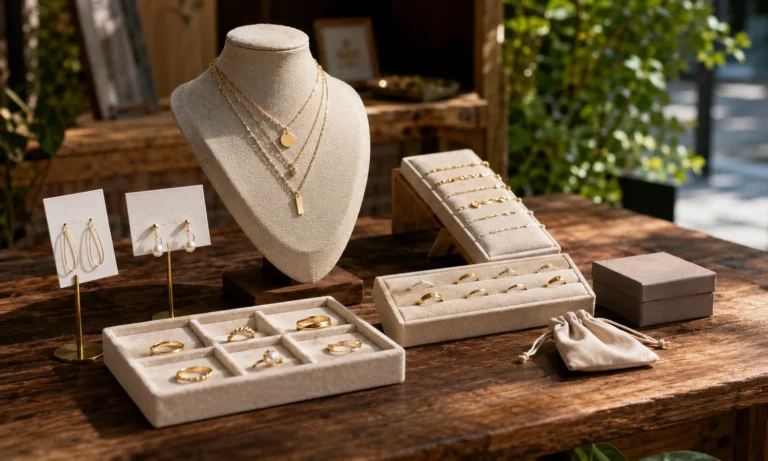
Start with the product, not the decoration. Measure length, width, depth, weight, and any fragile details. If the product includes a necklace, charm, ring, card, ribbon, or small accessory, each part needs a clear place inside the box.
Add enough space for protection, but avoid a box that feels empty. A right-sized template helps the final package feel intentional and reduces shipping waste.
Choose a Practical Box Structure
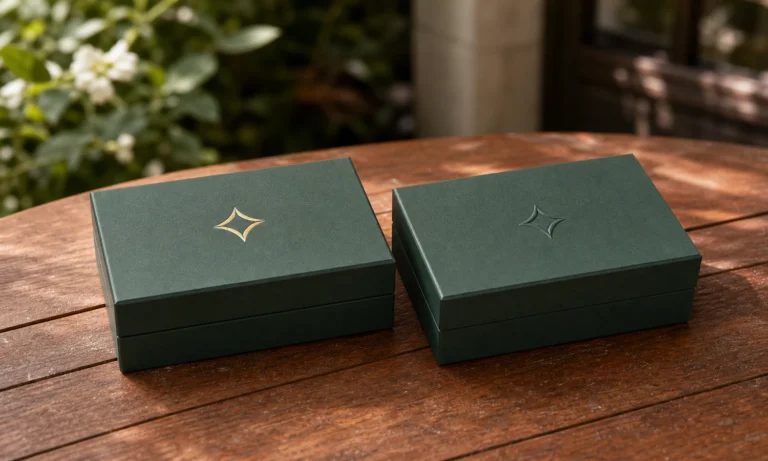
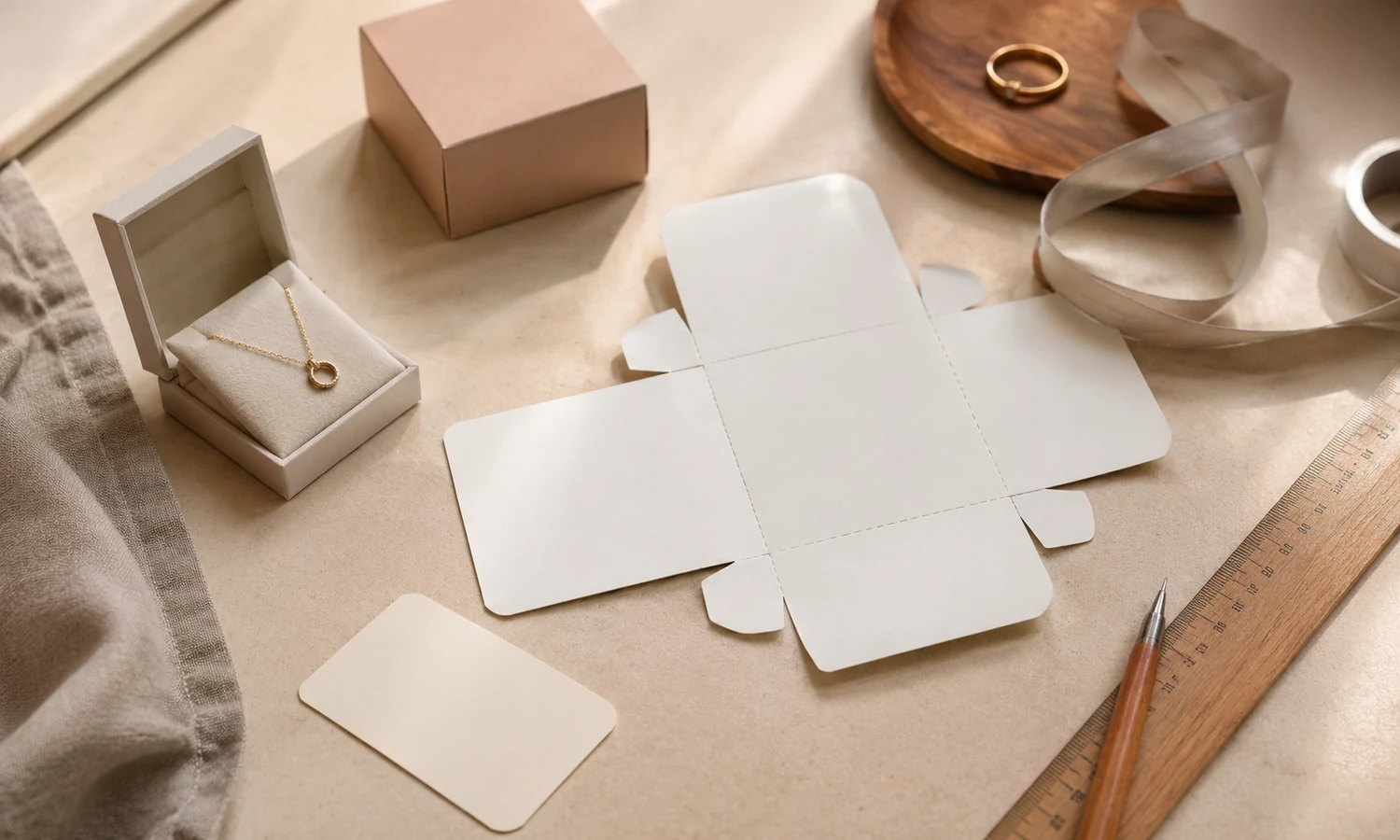
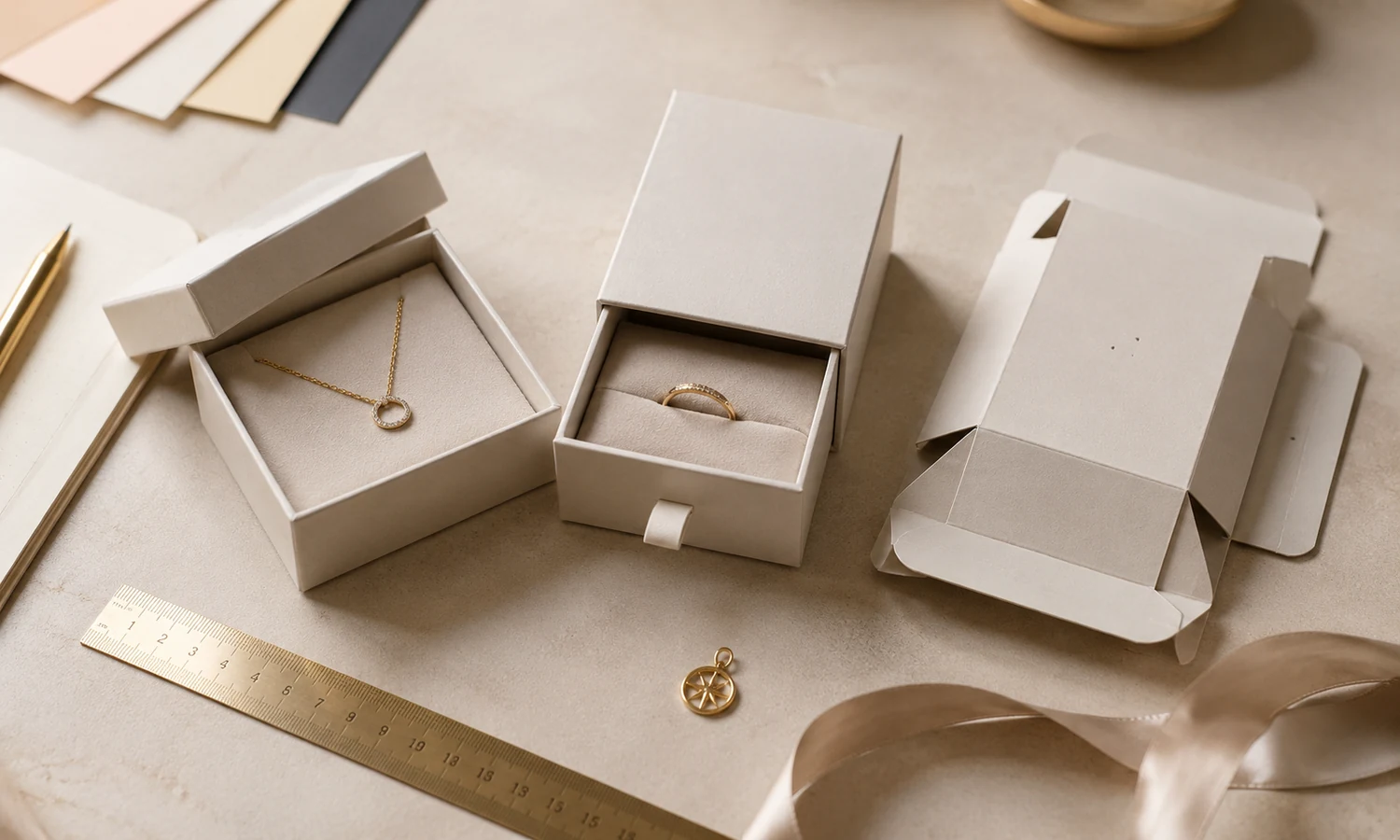
The structure should match the product and customer experience. A folding carton may work for lightweight gifts or samples. A rigid box can feel more premium. A drawer box creates a reveal moment, while a lid-and-base box is simple and gift-ready.
When testing a template, check whether the box is easy to open, easy to assemble, and strong enough for the product. Beautiful packaging is not useful if it is difficult to fold or weak at the corners.
Plan the Insert or Interior Support
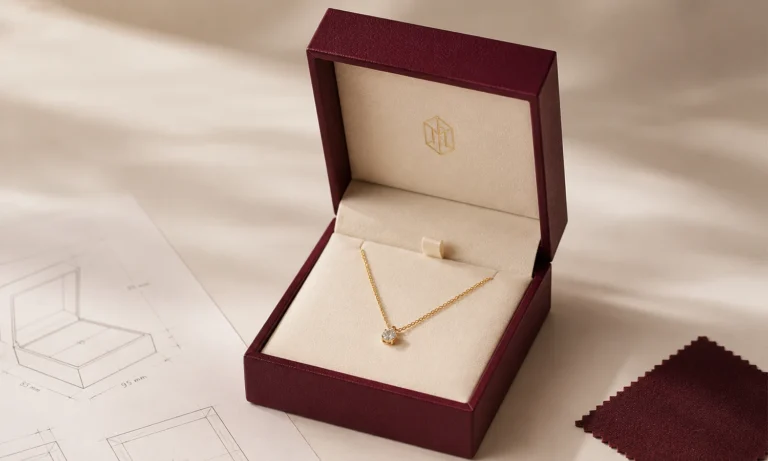
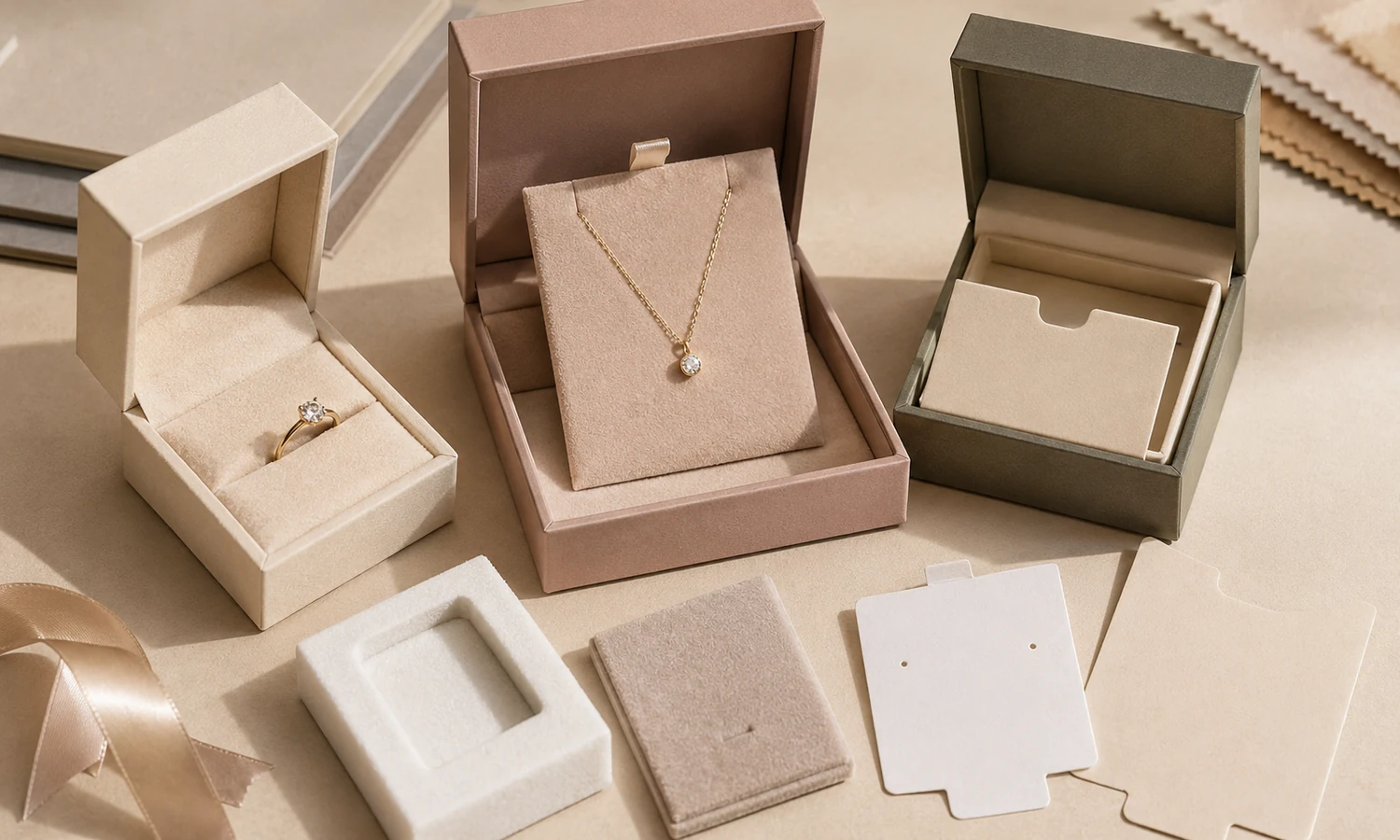
A gift box template should include the inside, not only the outer shape. Jewelry often needs a card, foam insert, velvet pad, paper divider, or small tray to stay organized.
Think about how the product will look when the customer opens the box. The insert should hold the item securely and present it clearly, without making the customer search through loose materials.
Test Branding Before Production
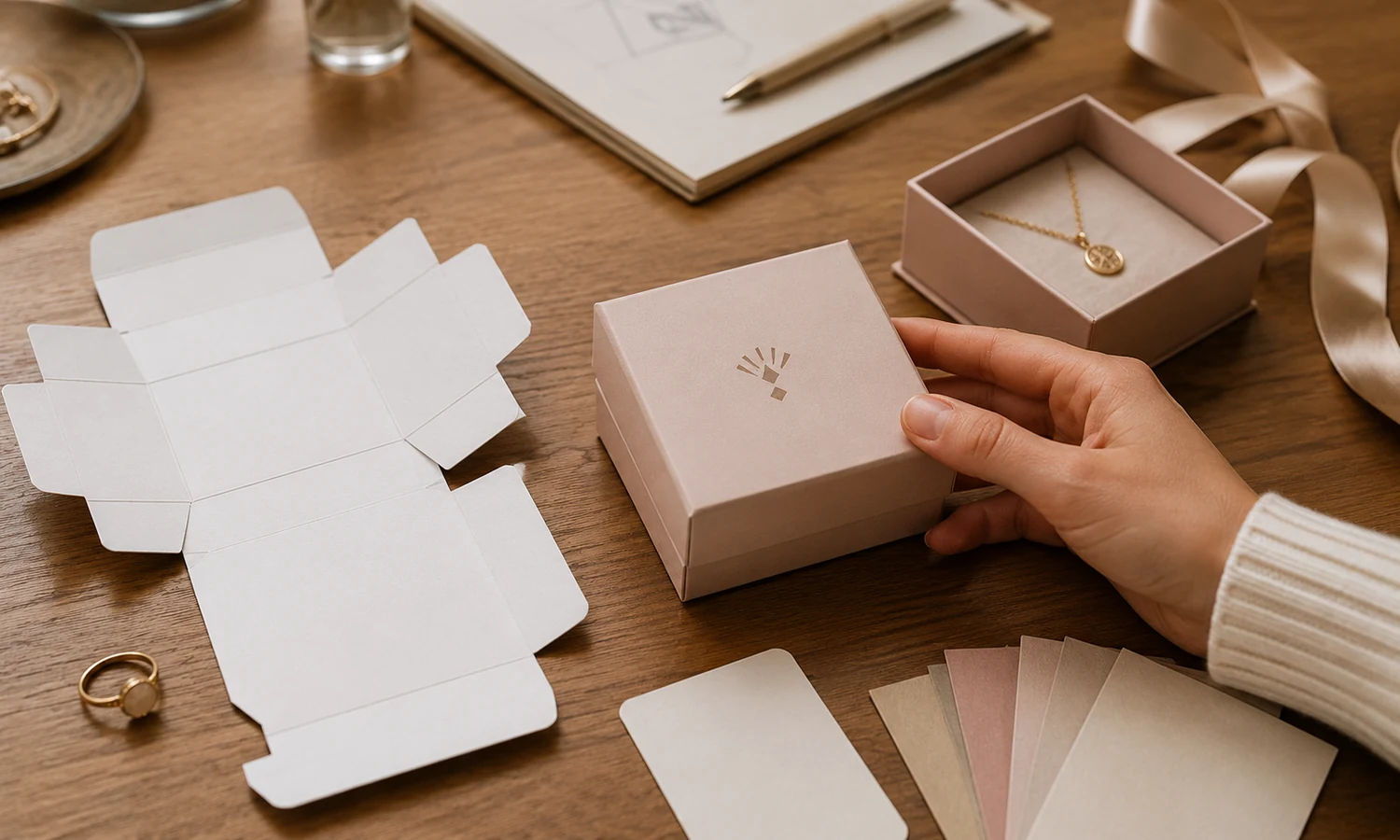
Use the template to test logo size, label placement, ribbon position, and printed messages. A logo that looks good on screen may feel too large on a small box. A card that looks elegant alone may crowd the interior when placed with tissue paper or inserts.
For small brands, a clean layout is usually safer than an overloaded design. Test one or two brand details first, then add more only if they improve the presentation.
When to Move From DIY Template to Supplier Sample
DIY templates are useful for planning, but they are not a replacement for a supplier sample. Once the size and structure are close, ask your packaging supplier to confirm material, print method, folding lines, and production feasibility.
This step helps prevent problems with artwork, thickness, assembly, or shipping. A good custom packaging process moves from rough template to professional sample before full production.
Next Step
If you already have a gift box idea, ElevenPack can help turn it into a practical custom packaging structure with suitable materials, inserts, and logo options.
Explore more ElevenPack packaging options, build your own packaging, or request a free quote.